Introduction to Age Verification
Age checks are becoming law worldwide, with over 30 age assurance laws in force, and platforms are turning to facial age estimation as a viable method. However, concerns over biometric data collection and breaches are growing, with the Identity Theft Resource Center's 2025 Annual Data Breach Report showing a record high of 3,322 data compromises in the U.S. and a 79% increase over five years.
The Problem with Server-Based Age Estimation
The traditional method of age estimation involves capturing a user's face, sending it to a server, and running the estimate there. However, this approach raises significant concerns over biometric data collection and breaches. Incode's data shows that users choose facial age estimation eight out of ten times over other age assurance methods, but it requires users to share one of the things they feel least comfortable sharing: their face.
On-Device Age Estimation: A New Approach
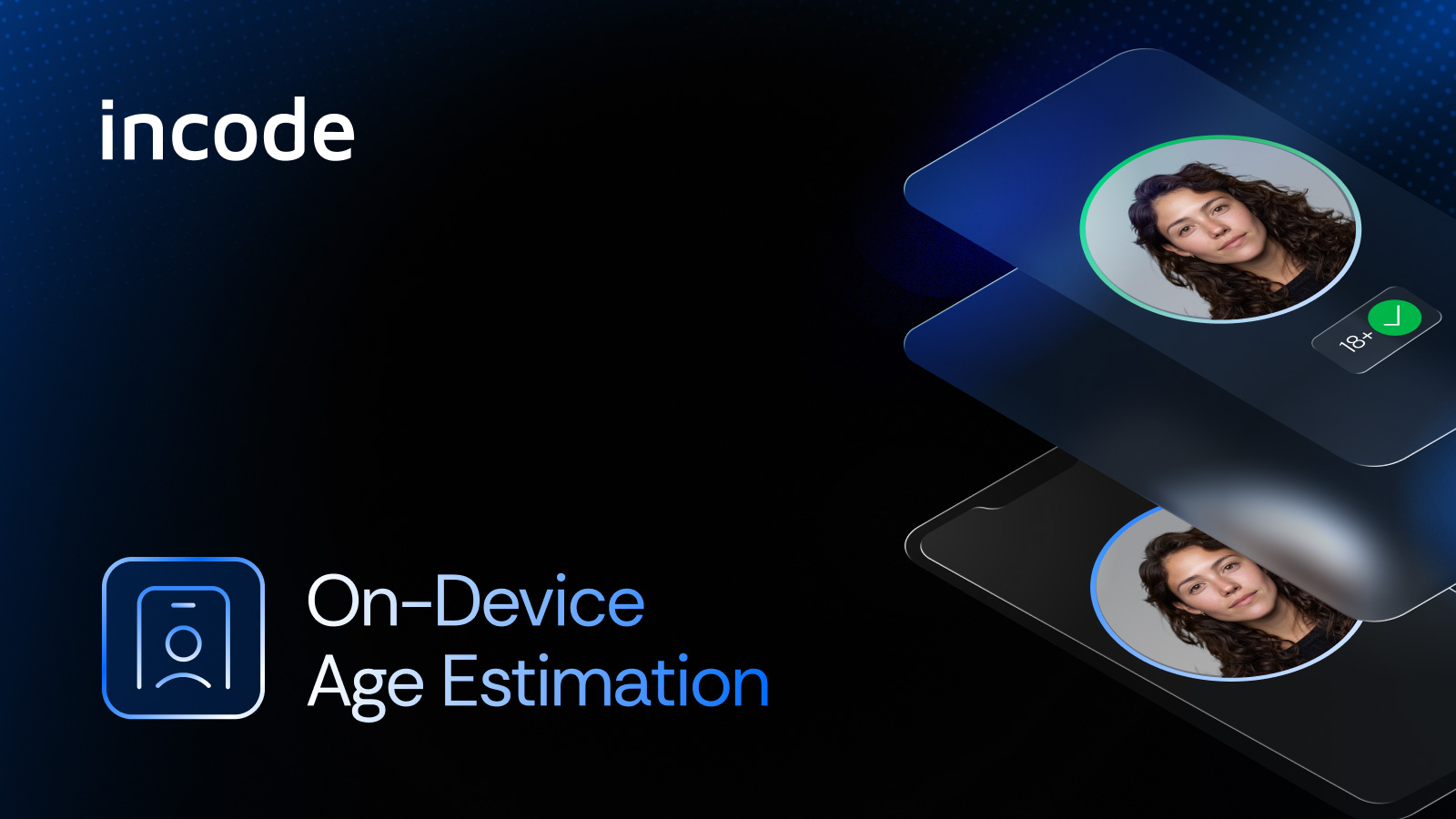
Incode's facial age estimation and passive liveness models now run entirely on the user's phone, tablet, or laptop, ensuring that the face is never transmitted and never stored. This approach, known as on-device age estimation, verifies age without collecting the user's face, addressing concerns over biometric data collection and breaches.
How On-Device Age Estimation Works
On-Device Age Estimation runs two of Incode's models directly inside the user's phone, tablet, or laptop: facial age estimation and passive liveness detection. The face is analyzed locally, and the outcome, whether the user meets the platform's required age threshold, is transmitted. If the check cannot be completed, the user is automatically offered another verification method selected by the platform.
Benefits of On-Device Age Estimation
On-Device Age Estimation offers several benefits, including enhanced privacy and security. By analyzing the face on the user's own device, there is no technical way for Incode or any client platform to access a biometric or face image. Additionally, the approach reduces the risk of breaches and cyber attacks, as sensitive data is not transmitted or stored.
Fighting Fraud Together without Pooling Data
Incode's $100 million commitment to advancing privacy-preserving identity infrastructure includes the development of on-device processing capabilities and expanded engineering resources. The company has also acquired Identiq, a company specializing in privacy-enhancing cryptographic solutions for peer-to-peer anti-fraud collaboration. This technology enables institutions to share fraud signals without exposing customer data to any third party.
Setting the Standard for Age Assurance
The pressure to implement effective age assurance methods is growing, with regulators actively deciding which methods count as effective. Incode's position is a matter of record, with a compliance program spanning SOC 2 Type 2, ISO/IEC 27001, HIPAA Attestation of Compliance, FedRAMP Ready, the Age Check Certification Scheme (ACCS), and the Kantara IAL2 Component Services Trust Mark. The company has processed over 7 billion trust checks and has a shipping product where the face never leaves the device, alongside fraud collaboration that never pools the data.
According to Ricardo Amper, Founder and CEO of Incode, 'Age checks are becoming law around the world. Our job is to do what we can so that proving your age asks as little of the user as possible.' Incode's On-Device Age Estimation is the first enterprise-ready offering to combine on-device age estimation with robust defenses, a combination the company believes can reset the standard for how platforms verify age worldwide.
Source: BleepingComputer