The National Security Agency (NSA) has revived the name of its elite hacking unit, Tailored Access Operations (TAO), in a move to improve its response to evolving digital threats from countries like China and Russia.
Background of TAO
TAO has its roots in the early 1990s and was previously renamed as part of a broader reorganization effort known as NSA21, launched in 2016. However, the latest change, spearheaded by NSA Deputy Director Tim Kosiba, undoes some of the previous restructuring and brings back the TAO name.
A former agency employee, who spoke on the condition of anonymity, noted that the previous reorganization, NSA21, was not viewed as useful and had split developers and operators apart. The employee believed that the change was driven by nostalgia for the heyday of TAO operations.
Revamped Structure
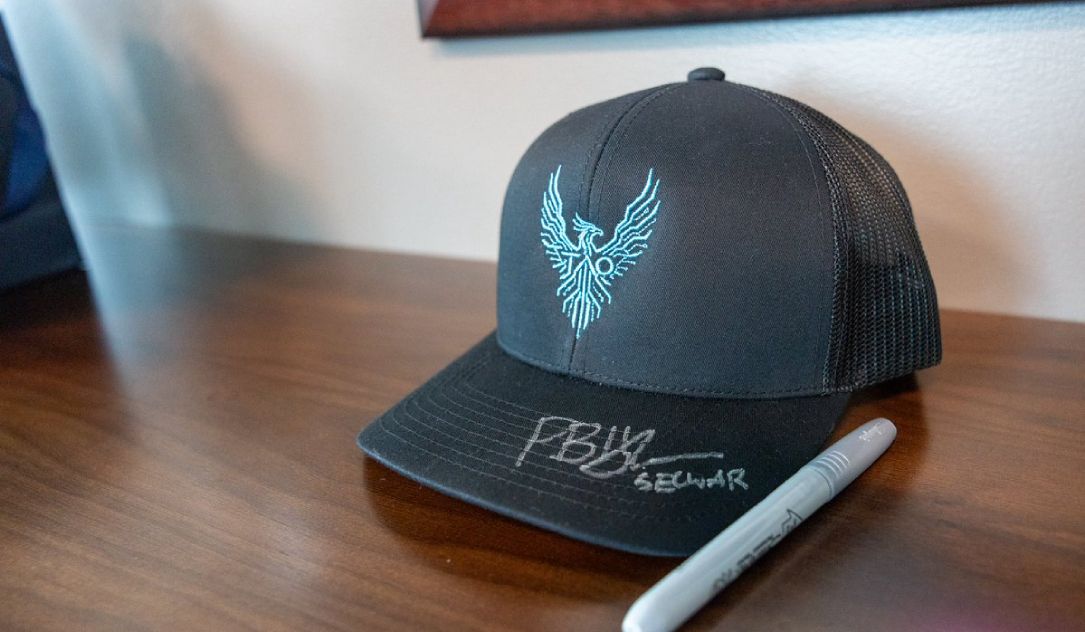
The revamped structure was recently briefed to Defense Secretary Pete Hegseth, who shared a picture of a TAO hat he had signed on his official X account. The new structure is expected to speed up operations and boost creativity in breaking into hard-to-access networks, especially with the rise of artificial intelligence.
An NSA spokesperson stated that TAO restores a powerful identity that has resonated deeply and has a strong history of mission outcomes. The agency is honoring this history and using it to propel itself into the future.
TAO's Operations
TAO makes and deploys custom-fitted tools to penetrate the computer networks of foreign targets for espionage purposes. The unit has been involved in the creation of cyber weapons, such as Stuxnet, which was used to sabotage Iran's nuclear program.
The unit gained significant attention roughly a decade ago when a mysterious internet group, the Shadow Brokers, surfaced online to advertise the sale of stolen hacking techniques. The U.S. believed that Russia and North Korea capitalized on these pilfered tools to unleash devastating global cyberattacks, including the 2017 WannaCry ransomware attack.
Previous Incidents
Around the same time, federal prosecutors indicted a former NSA contractor, Harold Martin, with hoarding massive amounts of classified information at his Maryland home. Martin worked at the NSA from 2012 to 2015, including a stint in TAO, but investigators never found proof that he had shared the stolen secrets with anyone else.
Martin was sentenced in 2019 to nine years in prison. The incident highlighted the importance of protecting classified information and the potential consequences of mishandling sensitive data.
Conclusion
The revival of the TAO name marks a significant shift in the NSA's approach to offensive cyber operations. As the agency continues to face evolving digital threats, the revamped TAO structure is expected to play a critical role in the NSA's efforts to stay ahead of its adversaries.
The NSA's decision to revive the TAO name is a nod to the unit's rich history and its contributions to the agency's mission. As the cyber landscape continues to evolve, the NSA will likely continue to rely on TAO's expertise and capabilities to protect national security interests.
The NSA's revival of the TAO name is a significant development in the world of cybersecurity, and its implications will be closely watched by experts and adversaries alike.
Source: The Record